Blog ·
Preparing for Seasonal Tire Changes: A Complete Guide
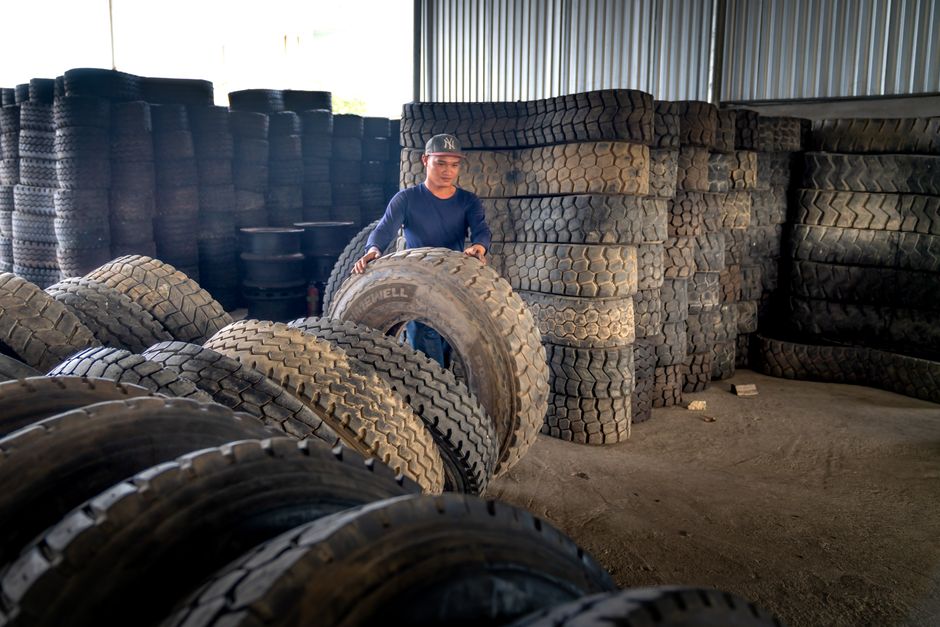
Seasonal tire changes are essential for maintaining traction, handling, and safety throughout the year. Whether switching from winter to summer tires or preparing for cold weather, understanding how to approach seasonal changes helps you make informed decisions and keep your vehicle performing optimally.
Understanding Seasonal Tire Differences
Winter tires and summer tires are engineered for completely different conditions. Winter tires use rubber compounds that stay flexible in cold temperatures, providing superior grip on ice and snow. Summer tires have harder compounds optimized for warm weather and dry roads. All-season tires offer compromise performance but don't excel in extreme seasonal conditions. Switching to purpose-built tires significantly improves safety when weather changes.
When to Make the Switch
The general rule is switching to winter tires when temperatures consistently drop below forty-five degrees Fahrenheit, and switching back to summer or all-season tires when temperatures rise above that threshold. However, your specific climate and driving patterns should guide your decision. Waiting until the first snow to switch tires means driving on unsuitable rubber during dangerous conditions.
Inspecting Tires Before Storage
Before storing tires after seasonal use, inspect them thoroughly for damage, excessive wear, or punctures. Tires with significant tread wear may not be suitable for another season. Catching problems before storage prevents surprises when you retrieve them later.
Cleaning Before Storage
Clean tires before storing them to remove brake dust, road salt, and other contaminants. These substances can damage rubber during storage. Wash tires with mild soap and water, then dry them completely before placing them in storage.
Proper Storage Conditions
Tires should be stored in a cool, dark location away from direct sunlight and heat sources. If storing at home, keep tires away from furnaces, water heaters, and other appliances that generate heat or ozone, which degrades rubber. Professional storage facilities offer climate-controlled environments that protect tires more effectively than most home storage options.
Planning Ahead for Installation
Don't wait until weather becomes dangerous to arrange tire installation. Schedule your seasonal change in advance, particularly before winter arrives. Planning ahead ensures you get convenient appointment times and have your vehicle ready before severe weather hits.
Documentation and Records
Keep records of when you switched tires, which tires are on your vehicle, and the condition of stored tires. This information helps you plan future maintenance and track tire performance over time.
Seasonal tire changes are integral to vehicle safety and performance. By understanding when and how to switch tires, you ensure your vehicle handles seasonal challenges effectively. Professional installation and proper storage complete the picture, giving you confidence and safety year-round.