Blog ·
The Right Way to Install Tires: What Every Driver Should Know
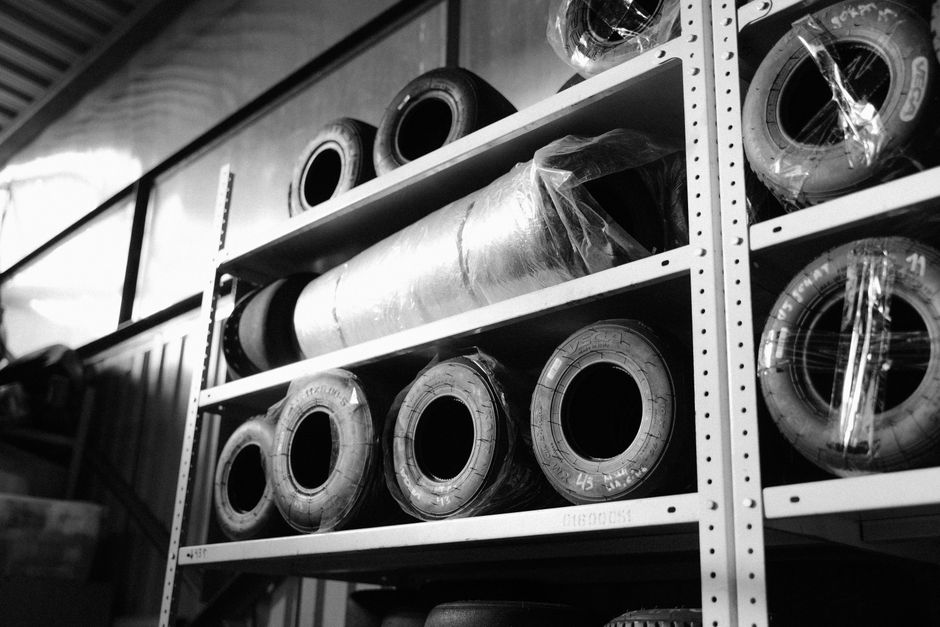
Tire installation is more than just mounting rubber on wheels. Proper installation affects handling, fuel efficiency, tire longevity, and most importantly, your safety on the road. Understanding what goes into a professional installation helps you appreciate why proper technique matters.
Wheel Preparation and Inspection
Before any tire touches a wheel, the wheel itself must be inspected for damage and thoroughly cleaned. Rust, dirt, and debris on the wheel rim can prevent the tire from seating correctly and create an improper seal. Professionals remove old tire remnants and inspect for cracks or bending that might compromise the mounting surface.
Proper Tire Mounting Technique
Mounting tires requires specialized equipment designed to prevent damage to both the tire and wheel. Technicians use tire machines that carefully stretch the tire bead onto the wheel without cutting or pinching the tire sidewall. This technique prevents the weakening or tearing that can result from improper mounting.
Balancing for Smooth Riding
After mounting, every tire must be balanced to ensure smooth driving and prevent vibration. An unbalanced tire causes uneven wear, reduces fuel efficiency, and creates uncomfortable vibration in the steering wheel or seat. Computer balancing machines detect weight imbalances and determine exactly where weights should be applied to achieve perfect equilibrium.
Valve Stem Replacement
Professional installations include new valve stems with each tire mounting. Valve stems degrade over time and can develop leaks that cause slow tire pressure loss. Fresh valve stems ensure your tires maintain proper pressure and perform reliably.
Torque Specification Accuracy
Each vehicle requires specific torque specifications for lug nuts. Too loose, and wheels can vibrate and potentially come off. Too tight, and you risk damaging lugs or causing the wheel to warp. Professionals use calibrated torque wrenches to apply exactly the right pressure every time.
Tire Pressure and System Check
After installation, technicians inflate tires to the manufacturer's recommended pressure and check the tire pressure monitoring system. Correct pressure is critical for safety, fuel efficiency, and tire longevity.
Why DIY Installation Falls Short
Without proper equipment and training, tire installation risks damage to your tires, wheels, and vehicle. Professional installation guarantees each step is completed to specifications, protecting your investment and ensuring your safety.
Proper tire installation sets the foundation for reliable, safe performance. When tires are installed correctly, they wear evenly, deliver better fuel efficiency, and last longer. Professional installation is an investment in your safety and vehicle performance.